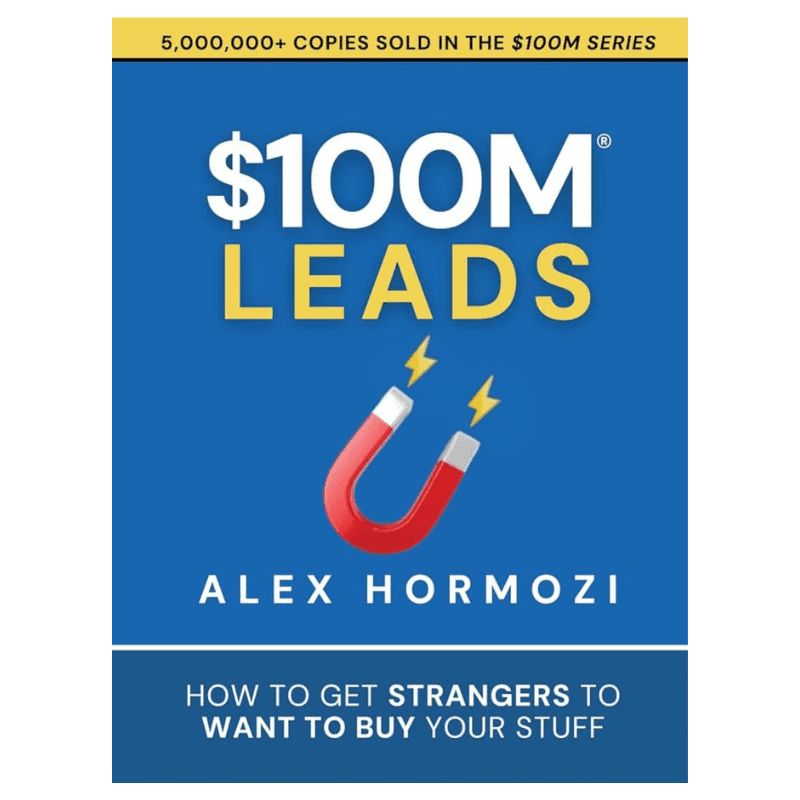
$100M Leads
Price:
CFA5,000

Log in
Shop By Category
237 658 685 493
Log in
Shop By Category
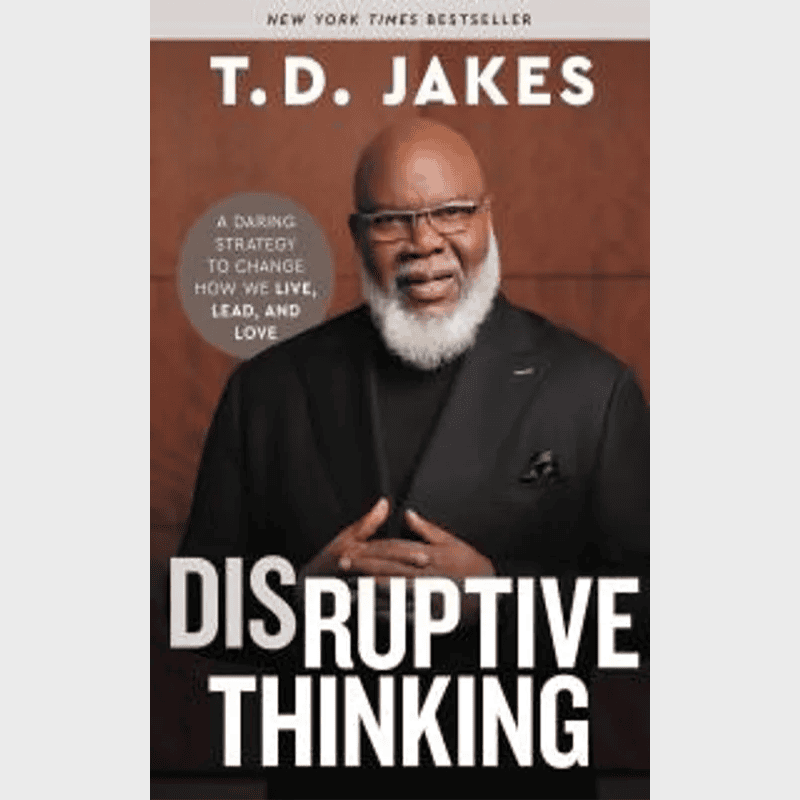
disrupting thinking
**Disrupting Thinking** primarily refers to **"Disrupting Thinking: Why How We Read Matters,"** a 2017 educational book by **Kylene Beers** and **Robert E. Probst** published by Scholastic. The book argues that traditional reading instruction often produces students who can decode and recall facts but fail to engage critically or empathetically with texts.
### Core Educational Framework
The authors advocate for a shift from rote comprehension to **responsive, responsible, and empathetic reading**. Key components include:
* **The BHH Strategy**: Students are taught to connect **Book** content with their own **Head** (thinking) and **Heart** (feelings) to foster deep engagement.
* **Three Big Questions**: A framework to prompt critical reflection: *"What surprised you?", "What did the author think you already knew?",* and *"What changed, challenged, or confirmed your thinking?"*
* **Mindset Shift**: Emphasizing that reading should be a transformative experience where students anticipate being changed by the text, rather than just extracting information.
### Broader Concept of Disruptive Thinking
Beyond literacy, the term **disruptive thinking** (also seen in works like Bishop T.D. Jakes' book) refers to **challenging the status quo** and conventional paradigms to solve complex problems. It involves:
* **Questioning Assumptions**: Identifying "invisible fences" or orthodox beliefs that limit innovation and progress.
* **Radical Change**: Using disruption as an opportunity to create groundbreaking solutions in society, business, or personal life rather than merely debating existing issues.
* **Courage and Resilience**: Encouraging individuals to be brave, accept failure, and seek new perspectives to drive meaningful change.

 Sale!
Sale! Sale!
Sale! Sale!
Sale! Sale!
Sale!